


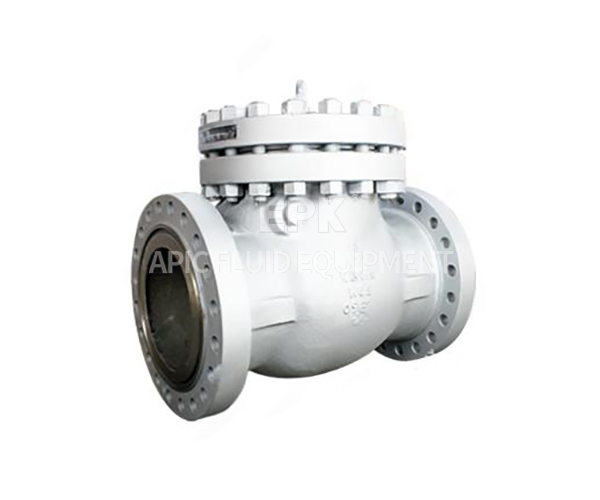
How to Optimize Performance of an American standard gate valve
An American standard Gate valve is widely used in industrial piping systems for reliable isolation control, low pressure drop, and long service life. When properly selected, installed, and maintained, a gate valve can deliver consistent sealing performance and smooth operation across water treatment, oil and gas, power generation, HVAC, chemical processing, and general industrial applications. However, even a high-quality valve can underperform if the wrong materials, pressure class, installation method, or maintenance practices are used.
This guide explains how to optimize performance of an American standard gate valve using practical, industry-neutral information. It is designed for SEO-friendly blog pages, product category pages, industry pages, and educational resource sections. The content covers definition, working principle, performance advantages, optimization factors, specification tables, inspection points, maintenance suggestions, and common application considerations. All information below is general and does not reference any specific manufacturer.
What Is an American standard gate valve?
An American standard gate valve is a linear-motion shutoff valve designed to start or stop fluid flow by moving a gate, wedge, slab, or parallel disc vertically into or out of the flow path. It is commonly manufactured in compliance with widely used American dimensional and pressure standards, making it a preferred choice in systems that require compatibility, reliable interchangeability, and consistent performance.
Unlike throttling valves, a gate valve is primarily used for fully open or fully closed service. When fully open, the flow path is nearly unobstructed, which results in very low pressure loss. This makes the gate valve especially valuable in pipelines where preserving flow efficiency is important.
Why Performance Optimization Matters
Optimizing gate valve performance is important because poor valve selection or installation can cause leakage, excessive torque, slow actuation, seat wear, vibration, corrosion, and shortened service life. In large-scale piping systems, even a minor valve problem can affect operational stability, maintenance costs, and energy efficiency.
The main performance goals for an American standard gate valve include:
- Stable shutoff and tight sealing
- Low pressure drop in the open position
- Minimal operating torque
- Long service life under expected conditions
- Resistance to corrosion, erosion, and thermal stress
- Compatibility with pipeline standards and flange dimensions
- Safe and easy maintenance
Key Advantages of an American standard gate valve
| Advantage | Description | Performance Benefit |
|---|---|---|
| Full Bore Flow Path | Gate moves out of the flow path when open | Very low pressure loss and efficient flow |
| Reliable Isolation | Designed for on/off service | Strong shutoff performance when properly seated |
| Standardized Dimensions | Commonly built to American dimensional and pressure standards | Better compatibility with piping systems |
| Durable Construction | Available in cast iron, carbon steel, stainless steel, alloy materials | Supports harsh environments and long-term use |
| Wide Size Range | Available in many diameters and pressure classes | Flexible application across industries |
How an American Standard Gate Valve Works
A gate valve works by using a handwheel, gear operator, electric actuator, or pneumatic actuator to raise or lower the internal gate. When the gate is lifted, fluid flows straight through the valve body. When the gate is lowered, it presses against the seat surfaces and blocks flow.
Because the gate moves perpendicular to the flow direction, the valve creates minimal obstruction in the open position. This simple design contributes to the high efficiency of the valve in systems that need full flow and dependable isolation.
Important Factors That Affect Gate Valve Performance
To optimize gate valve performance, several engineering and operational factors must be evaluated. The most important include pressure rating, temperature range, material selection, seat design, stem design, installation orientation, media characteristics, and maintenance frequency.
1. Pressure Rating
Choosing the correct pressure class is essential. If a valve is used below its expected pressure rating, it can still perform well, but it should always have sufficient margin for system fluctuations, water hammer, and transient loads. American standard valves are commonly available in classes such as Class 150, 300, 600, 900, and above, depending on design requirements.
2. Temperature Range
Temperature influences sealing behavior, material strength, and packing life. High temperatures can accelerate wear, reduce lubrication effectiveness, and increase torque. Low temperatures may cause material brittleness or condensation-related corrosion. Selecting the correct temperature range improves durability and safe operation.
3. Fluid Type and Media Compatibility
The working media can be water, steam, oil, gas, slurry, chemical solution, or mixed industrial fluids. Each medium has different corrosion and abrasion characteristics. A gate valve optimized for clean water may not perform well in corrosive or abrasive service unless the body, seat, stem, and packing materials are suitable.
4. Valve Material
Material selection has a direct effect on valve life and leakage resistance. Cast iron is common in utility service, carbon steel is often used for stronger pressure and temperature conditions, stainless steel is suitable for corrosive applications, and specialized alloys may be used for severe environments.
5. Seat and Wedge Design
Seat design determines how well the valve seals. A resilient seat may improve tight shutoff in lower-pressure applications, while metal-seated designs may be preferred for high temperature or abrasive service. Wedge flexibility and machining accuracy also affect sealing consistency.
6. Stem and Packing System
A gate valve stem transfers motion from the operator to the gate. If the stem is poorly aligned or insufficiently lubricated, torque can rise and leakage can occur. Packing selection is equally important, since it controls stem sealing and helps prevent fugitive emissions.
7. Installation Quality
Misalignment, pipe stress, improper flange tightening, and incorrect orientation can reduce valve performance. Even a well-designed valve may leak or bind if installed under excessive stress.
How to Optimize Performance of an American Standard Gate Valve
The following best practices help improve valve efficiency, sealing, and operating life. These recommendations are general and apply to many industrial environments.
1. Select the Correct Valve Size
Valve sizing is one of the most important performance factors. An undersized valve may create excessive pressure loss and velocity-related erosion. An oversized valve may be difficult to operate and may not seal properly if the system conditions are unstable. The valve should match the pipeline diameter, flow requirement, and service pressure.
2. Match the Pressure Class to the System
Always select a pressure class that meets or exceeds the maximum operating pressure of the line. Consider surge pressure, startup conditions, and system transients. Proper class selection reduces the risk of body stress, seat deformation, and leakage.
3. Use the Right Construction Material
The valve body, bonnet, stem, wedge, and seat should all be compatible with the medium and service environment. For corrosive or aggressive media, stainless steel or alloy materials may help improve service life. For general utility service, other standard materials may be sufficient and more cost-effective.
4. Avoid Using Gate Valves for Throttling
Gate valves are not designed for precise flow regulation. Partial opening can create turbulence, vibration, cavitation, seat damage, and uneven wear. To optimize performance, use the valve in fully open or fully closed positions only.
5. Ensure Proper Pipe Alignment
Pipe misalignment can place side loads on the valve body and stem, increasing wear and operating torque. Before installation, verify that the mating flanges are aligned properly and that no significant piping stress is transferred into the valve.
6. Install the Valve in the Correct Orientation
Some gate valves can be installed in multiple orientations, while others have preferred stem positions depending on system design. The valve should be installed according to standard piping practice to allow easy operation, visual inspection, and safe maintenance access.
7. Protect the Valve from Debris
Solid particles, welding slag, rust, and scale can damage the seat and wedge surfaces. Before commissioning, thoroughly flush the pipeline and consider strainers or filters where necessary. Clean systems significantly improve sealing performance and reduce early wear.
8. Apply Correct Actuation Method
Manual handwheel operation is suitable for many applications, but gear operators or actuators may be needed for large-diameter valves or high-pressure systems. The correct actuation method reduces operator effort and helps ensure full opening and complete shutoff.
9. Lubricate and Inspect the Stem Regularly
Stem lubrication reduces friction and helps maintain smooth valve travel. Regular inspection of the stem threads, backseat, packing, and bearings can prevent binding and extend maintenance intervals.
10. Monitor for Leakage
Leakage can occur at the seat, bonnet gasket, or stem packing. Early detection is critical. Identifying the source of leakage allows targeted repair before the issue becomes severe.
11. Replace Worn Sealing Components on Time
Seats, packing, gaskets, and wedges eventually wear out. Replacing these parts at the correct time maintains shutoff quality and avoids emergency shutdowns. Preventive replacement is often more economical than waiting for complete failure.
12. Operate the Valve Correctly
Rapid or forceful operation can create shock loads and mechanical damage. The valve should be opened and closed steadily, especially in systems with high pressure or long pipelines.
Common Performance Problems and Their Causes
| Performance Problem | Possible Cause | Optimization Action |
|---|---|---|
| Leakage at seat | Wear, debris, improper seating, damaged wedge | Clean valve, inspect seat, replace worn parts |
| Leakage at stem | Packing wear, misadjustment, corrosion | Adjust packing, replace packing material, inspect stem |
| High operating torque | Poor lubrication, pipe stress, scale buildup, damaged threads | Lubricate stem, relieve pipe stress, clean internals |
| Incomplete opening | Mechanical obstruction, actuator limitation, buildup | Inspect travel path and operating mechanism |
| Corrosion damage | Material incompatibility, aggressive media, poor protection | Upgrade material, improve coating or isolation |
| Seat erosion | Throttling use, high velocity, solid particles | Use only for isolation, reduce solids, modify process conditions |
Typical American Standard Gate Valve Specifications
The table below provides a general reference for common valve specification categories. Actual values vary by design, pressure class, size, material, and application requirements.
| Specification Item | Common Options | Notes |
|---|---|---|
| Nominal Size | 2 in to 48 in and larger | Depends on pipeline diameter and system design |
| Pressure Class | 150, 300, 600, 900, 1500 | Higher class supports higher pressure service |
| Body Material | Cast iron, ductile iron, carbon steel, stainless steel | Selected based on pressure, corrosion, and temperature |
| Seat Type | Metal seat, soft seat, renewable seat | Determines sealing and service suitability |
| End Connection | Flanged, welded, threaded, socket weld | Must match pipeline connection standard |
| Bonnet Type | Bolt bonnet, pressure seal bonnet | Used according to pressure and temperature conditions |
| Stem Design | Rising stem, non-rising stem | Chosen for space, visibility, and operating preference |
| Actuation | Handwheel, gear operator, electric actuator, pneumatic actuator | Selected according to torque and automation needs |
| Applicable Media | Water, steam, oil, gas, chemicals | Material compatibility must be verified |
Performance Benefits of Proper Optimization
When an American standard gate valve is selected and maintained correctly, the system benefits in several ways:
- Lower operating cost due to reduced pressure loss
- Improved shutoff reliability and fewer leaks
- Longer valve service life
- Reduced maintenance frequency
- Better process safety and operational control
- More stable system efficiency over time
- Improved compatibility with standard piping layouts
Best Practices for Installation
Installation quality strongly influences long-term performance. A gate valve should be installed with attention to cleanliness, alignment, access, and support.
| Installation Step | Best Practice | Performance Result |
|---|---|---|
| Pre-install inspection | Check body, seat, stem, and gasket surfaces | Reduces hidden defects |
| Pipeline cleaning | Remove debris, rust, scale, and welding residue | Protects sealing surfaces |
| Flange alignment | Align flanges without forcing the valve into position | Prevents body stress and distortion |
| Bolt tightening | Tighten evenly in a cross pattern | Improves gasket sealing |
| Operational test | Cycle the valve before commissioning | Verifies movement and shutoff function |
Maintenance Tips to Extend Gate Valve Life
Preventive maintenance is one of the most effective ways to optimize valve performance. Routine inspection schedules should be based on service severity, fluid cleanliness, temperature, pressure, and usage frequency.
- Inspect stem packing for signs of leakage
- Check bonnet bolts and gasket areas for seepage
- Cycle the valve periodically to prevent sticking
- Lubricate stem threads when applicable
- Confirm full open and full closed positions
- Remove external corrosion and protect exposed parts
- Review actuator settings if automated
- Replace damaged sealing components promptly
When to Replace a Gate Valve
A gate valve should be replaced when repair becomes uneconomical or when safety and performance can no longer be assured. Common replacement indicators include repeated leakage, severe corrosion, damaged threads, fractured body components, and persistent operating torque problems.
In critical process systems, replacement may be preferred over repeated repair because a new valve can restore consistent performance and reduce unplanned downtime.
Application Areas for American Standard Gate Valves
American standard gate valves are widely used across industrial and municipal environments. Their broad compatibility makes them suitable for many on/off isolation duties.
| Industry | Typical Service | Main Reason for Use |
|---|---|---|
| Water Supply | Pipeline isolation and distribution | Low pressure drop and reliable shutoff |
| Wastewater | Isolation in treatment and transfer lines | Durability and maintenance practicality |
| Oil and Gas | Pipeline block valves and process isolation | Pressure class compatibility and robustness |
| Power Generation | Steam and auxiliary systems | High temperature performance |
| Chemical Processing | Fluid isolation in process lines | Material selection flexibility |
| HVAC | Chilled and hot water isolation | Simple operation and standard sizing |
SEO Keyword Variations Related to Gate Valve Performance
To support search visibility, the following phrases are commonly associated with this topic: American standard gate valve, gate valve performance, gate valve optimization, gate valve sealing, low pressure drop valve, industrial isolation valve, gate valve maintenance, valve selection guide, valve installation best practices, pressure class gate valve, rising stem gate valve, flanged gate valve, stainless steel gate valve, carbon steel gate valve, and metal seated gate valve.
Frequently Asked Questions
Can a gate valve be used for flow control?
A gate valve is not recommended for precise throttling. It is best used for full open or full close service. Partial opening can damage the seats and increase turbulence.
What is the main advantage of an American standard gate valve?
The main advantage is efficient isolation with very low pressure loss when fully open, combined with standardized dimensions and broad industrial compatibility.
What causes gate valve leakage?
Leakage may result from worn seats, damaged packing, debris on sealing surfaces, incorrect installation, or material incompatibility with the media.
How often should a gate valve be maintained?
Maintenance frequency depends on service conditions. Harsh or high-cycle applications need more frequent inspection than clean, low-duty systems.
Conclusion
Optimizing the performance of an American standard gate valve requires the right combination of valve selection, material matching, proper installation, correct operation, and preventive maintenance. Because gate valves are primarily isolation devices, they perform best when used in fully open or fully closed positions and when matched carefully to pressure, temperature, media, and system design requirements.
For industrial buyers, engineers, and project planners, understanding gate valve specifications and performance factors can improve efficiency, reduce downtime, and extend service life. With careful attention to sizing, sealing, alignment, cleanliness, and periodic inspection, an American standard gate valve can deliver dependable service across a wide range of applications.

Comment
(0)