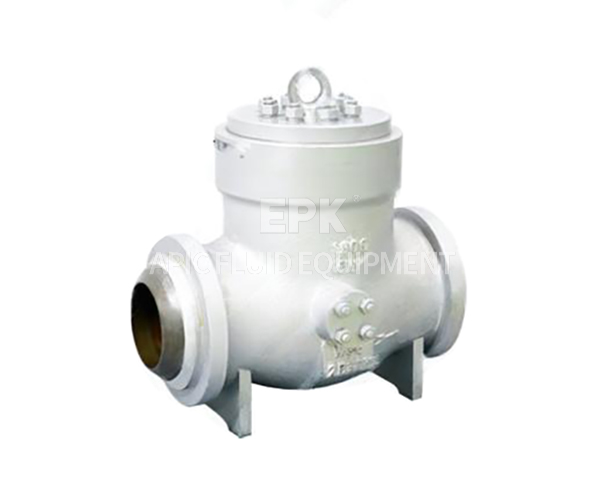
Understanding where to get professional advice on American Standard Gate valve products is essential for engineers, plant managers, maintenance teams, and purchasing departments. Reliable technical guidance helps you select the right valve design, material, pressure class, and end connection for your specific application, while complying with the relevant American standards such as ASME, API, and MSS.
This guide explains what an American standard gate valve is, why professional advice matters, and how to approach different industry resources to get accurate, neutral, and standards-based information. It focuses on:
- Definitions and key features of American standard gate valves
- Core American standards and specifications
- Typical applications and selection criteria
- Where and how to seek professional advice (without endorsing specific companies)
- Sample technical and specification tables
An American standard gate valve is a shut-off valve designed and manufactured in accordance with widely recognized American engineering standards. These standards typically include ASME (American Society of Mechanical Engineers), API (American Petroleum Institute), and MSS (Manufacturers Standardization Society) specifications.
A gate valve uses a sliding closure element (the gate) to block or open flow in a pipeline. When the gate is fully raised, the flow path is nearly straight, resulting in low pressure drop. When the gate is fully lowered, the flow is stopped. American standard gate valves are commonly used in oil and gas, power generation, petrochemical, water treatment, marine, HVAC, and general industrial service.
Before seeking professional advice, it helps to understand the typical characteristics of these valves:
- Standards-based design: Designed to ASME, API, and MSS dimensions, pressure ratings, materials, and testing requirements.
- Bidirectional shut-off: Most designs provide tight sealing in both flow directions (depending on seat design and pressure orientation).
- Full-bore / full-port options: Flow area close to the pipe’s internal diameter, minimizing pressure loss and allowing pigging in some designs.
- Linear motion: Gate moves up and down via a stem; not ideal for throttling, primarily for isolation.
- End connections: Flanged, butt-weld, socket-weld, threaded, and specialized ends per ASME B16.5, ASME B16.47, and other standards.
- Broad pressure-temperature range: Available from low-pressure utility service up to high-pressure, high-temperature critical service.
1.2 Common Construction Styles
When asking for professional advice on American Standard gate valves, you will often hear about different body and bonnet constructions. The most common include:
- Bolted bonnet gate valve: Uses bolted joints between body and bonnet; widely used and easy to service.
- Pressure seal bonnet gate valve: Uses internal pressure to enhance sealing at the body-bonnet joint; preferred for high-pressure, high-temperature service.
- Forged body gate valve: Smaller sizes and higher pressures frequently use forged steel construction for increased integrity.
- Cast body gate valve: Larger sizes are commonly produced in cast steel, cast stainless steel, or special alloys.
1.3 Typical Trim and Seat Designs
The internal seating and gate-face design significantly affect performance. Professionals may refer to:
- Metal-seated gate valves: Metal-to-metal seating for high temperatures and severe service.
- Resilient-seated gate valves: Elastomeric or polymeric seat for improved sealing in low- to medium-temperature services such as water distribution.
- Solid wedge gate: Rigid gate; simple and robust, widely used in ASME/API designs.
- Flexible wedge gate: Split or slotted wedge allows slight flex to improve seat contact, especially in thermal transients.
- Parallel slide gate: Two parallel discs with a spring or mechanical spreading mechanism; used for specific high-differential-pressure services.
2. Why Professional Advice on American Standard Gate Valve Matters
Professional advice ensures that American Standard gate valves are selected, specified, installed, and maintained correctly. The cost of an incorrect selection often far exceeds the price difference between valve models. Misapplication can lead to leakage, premature wear, non-compliance with codes, and even safety hazards.
2.1 Risk Reduction and Compliance
Experienced professionals understand how American standards interact with local codes and site requirements. Proper advice helps you:
- Comply with ASME, API, MSS, and possibly AWWA or NFPA where applicable.
- Meet process design criteria: pressure, temperature, and chemical compatibility.
- Ensure compatibility with piping codes such as ASME B31.1 and ASME B31.3.
- Reduce the risk of internal leakage and external fugitive emissions.
2.2 Lifecycle Cost Optimization
Professional guidance on American Standard gate valves considers total lifecycle costs:
- Initial purchase cost vs performance requirements
- Maintenance accessibility and spare parts availability
- Expected service life in a given operating environment
- Energy costs due to pressure drop and leakage
2.3 Standardization and Interchangeability
Working with standardized American gate valves allows better interchangeability across sites and applications. Professional advice can help:
- Standardize valve types and trim materials across a plant or network
- Rationalize spare parts inventory
- Develop site-specific valve specifications that reference American standards
3. Core American Standards for Gate Valves
When seeking professional information on American Standard gate valves, it is important to be familiar with the main standards. Professionals frequently reference these documents during design, specification, and inspection.
| Standard | Organization | Scope / Relevance to Gate Valves |
| ASME B16.10 | ASME | Face-to-face and end-to-end dimensions of valves, including gate valves. |
| ASME B16.5 | ASME | Pipe flanges and flanged fittings; defines flange dimensions and pressure ratings. |
| ASME B16.47 | ASME | Large diameter steel flanges (NPS 26 through NPS 60). |
| ASME B16.34 | ASME | Valves – flanged, threaded, and welding end; design, material, pressure-temperature ratings, testing. |
| ASME B31.1 / B31.3 | ASME | Piping codes for power piping and process piping; reference valve design and ratings. |
| API 600 | API | Steel gate valves, flanged and butt-welding ends, bolted bonnets. |
| API 602 | API | Compact steel gate, globe, and Check valves for sizes typically ≤ NPS 4. |
| API 603 | API | Corrosion-resistant, bolted bonnet gate valves; often thinner wall than API 600. |
| API 6D | API | Pipelines valves including gate valves used in pipeline service. |
| MSS SP-25 | MSS | Standard marking system for valves, fittings, flanges, and unions. |
| MSS SP-55 | MSS | Visual method for evaluation of surface imperfections in steel castings. |
| MSS SP-117 (and related) | MSS | Various guidelines related to valve installation, operation, and maintenance. |
| AWWA C509 / C515 | AWWA | Resilient-seated gate valves for water and wastewater (American Water Works Association standards). |
Professional advisors often use these standards to clarify technical questions such as pressure-temperature limits, wall thickness, face-to-face dimensions, test procedures, and material certifications for American Standard gate valves.
4. Basic Technical Parameters and Specification Tables
To communicate effectively with professionals, it is useful to structure your technical data. Below are example tables that can be adapted to different American standard gate valve types. These are generic illustrations and not tied to any particular manufacturer.
4.1 Typical Pressure Classes and Sizes
| Nominal Pipe Size (NPS) | Common Pressure Classes (ASME) | Common Connection Types |
| NPS 1/2 – NPS 2 | Class 150, 300, 600, 800, 900 | Threaded, socket weld, butt weld, small flanged |
| NPS 3 – NPS 8 | Class 150, 300, 600, 900, 1500 | Flanged, butt weld, occasionally socket weld |
| NPS 10 – NPS 24 | Class 150, 300, 600, 900, 1500 | Flanged, butt weld |
| NPS 26 – NPS 60 | Class 150, 300, 600 (higher classes less common) | Flanged (per ASME B16.47), butt weld |
4.2 Common Body and Trim Materials
| Component | Typical Materials (ASTM) | Typical Application Context |
| Body / Bonnet (Cast) | ASTM A216 WCB, WCC; A217 WC6, WC9; A351 CF8, CF8M | General service, power plants, petrochemicals, corrosive media (stainless grades). |
| Body / Bonnet (Forged) | ASTM A105, A182 F11, F22, F304, F316 | High pressure, compact valves, critical service. |
| Gate / Disc | Same grade as body plus hardfacing (e.g. Stellite overlay) | Improved wear resistance and sealing performance. |
| Seat Rings | ASTM A105 / A182 with hardfacing; stainless steel; stellited seats | High temperature and abrasive or erosive service. |
| Stem | ASTM A182 F6a, F304, F316 | Strength, corrosion resistance, compatibility with packing. |
| Packing | Graphite, PTFE, graphite-based composites | Stem sealing at various temperatures, low fugitive emissions. |
| Gaskets (Body-Bonnet) | Spiral wound, ring joint, pressure seal rings | Leak-tight joint depending on class and temperature. |
4.3 Example Technical Data Sheet (Generic)
Below is an example of how technical data for an American Standard gate valve might be structured when you consult a professional advisor or prepare specifications:
| Parameter | Example Value (Generic) | Notes |
| Design Standard | API 600 / ASME B16.34 | Bolted bonnet steel gate valve. |
| Size Range | NPS 2 – NPS 24 | Other size ranges available depending on type. |
| Pressure Class | ASME Class 150 – 1500 | Options up to Class 2500 in some designs. |
| End Connections | Flanged RF / RTJ, butt-weld | Per ASME B16.5 / B16.47 and B16.25. |
| Body Material | ASTM A216 WCB | Carbon steel for general high-temperature service. |
| Trim Material | 13Cr / hardfaced seating surfaces | Often designated as trim number (e.g. API trim 8 or 10). |
| Seat Type | Renewable, metal-seated | Threaded or welded seat rings. |
| Gate Type | Flexible wedge | Accommodates minor thermal distortion. |
| Stem Type | Outside screw and yoke (OS&Y), rising stem | Clear indication of valve open/closed position. |
| Bonnet Type | Bolted bonnet | Standard for many pressure classes. |
| Operation | Handwheel, gear operator, or actuator-ready | Depends on size and torque requirements. |
| Testing | API 598 / API 600 testing | Shell, seat, and backseat tests as applicable. |
| Temperature Range | -29°C to 425°C (example for WCB) | Actual range depends on materials and code limits. |
| Coating | Shop primer or specified paint system | For corrosion protection in storage and service. |
5. Key Applications of American Standard Gate Valves
American Standard gate valves are used in a wide range of industries. When seeking professional advice, clearly describe your intended application, since each sector has specific requirements.
5.1 Oil and Gas
- Upstream production facilities and wellhead manifolds.
- Midstream pipeline systems and block valve stations.
- Downstream refineries, tank farms, and terminal distribution networks.
In these environments, American Standard gate valves must often comply with API 6D for pipeline service and API 600/602/603 for process applications. Professionals focus on pressure class, body material, trim details, and requirements such as fire-safe design and fugitive emissions control.
5.2 Power Generation and Steam Service
- Boiler isolation on high-pressure steam lines.
- Main steam, hot reheat, cold reheat, and feedwater systems.
- Auxiliary systems in fossil-fuel, combined-cycle, and nuclear power plants.
Here, ASME B31.1 is typically referenced, and materials such as Cr-Mo steels (e.g. ASTM A217 WC6, WC9, or A182 F11/F22) are chosen for high-temperature strength. Professional advice is essential for choosing appropriate pressure seal bonnet designs and correct hardfacing.
5.3 Chemical and Petrochemical Processing
- Corrosive fluids including acids, caustics, and solvents.
- High-pressure reactors and process lines.
- Off-site utilities and tank farm connections.
Consultants and specification engineers typically look at stainless steel and high-alloy materials, along with API 603 thin-wall corrosion-resistant designs where appropriate. Professional advice will also address gasket selection, stem sealing, and potential need for low fugitive emission packing.
5.4 Water, Wastewater, and Fire Protection
- Municipal water distribution and transmission mains.
- Wastewater treatment plants and pumping stations.
- Fire sprinkler systems and firewater loops.
In this segment, resilient-seated gate valves made to AWWA standards are widely used. Professionals can clarify when AWWA designs are appropriate versus when ASME/API-style gate valves are needed, especially for high-pressure or special service water systems.
6. Where to Get Professional Advice on American Standard Gate Valves
Professional advice on American Standard gate valves can be obtained from various industry resources. Each type of resource brings a different perspective: technical, regulatory, operational, or commercial. The following categories highlight where to look and how to approach them, without endorsing specific organizations.
6.1 Industry Standards Organizations and Publications
Organizations such as ASME, API, MSS, and AWWA publish the primary standards and supporting materials used globally. While they generally do not provide individualized engineering consulting, they offer authoritative reference information on American Standard gate valves.
- ASME: Provides rules for pressure-temperature ratings, valve design requirements, and end connection standards.
- API: Publishes specifications and recommended practices for pipeline and process valves.
- MSS: Issues supplementary standards on valve marking, testing practices, and installation guidelines.
- AWWA: Covers waterworks gate valves and related components.
Professional advice from these sources usually comes in the form of published standards, technical bulletins, and training courses. Their documents are often cited directly in project specifications for American Standard gate valves.
6.2 Professional Engineering Consultants
Independent consulting engineers and engineering firms are a major source of unbiased technical advice. They can:
- Analyze process conditions and recommend suitable American standard gate valve designs.
- Prepare or review valve specifications and data sheets.
- Advise on code compliance and risk management strategies.
- Evaluate existing installations and suggest improvement measures.
When engaging a consulting engineer for gate valve advice, provide:
- Process fluid data (composition, corrosivity, contaminants).
- Pressure and temperature ranges (normal, minimum, maximum).
- Applicable design codes and standards (ASME, API, etc.).
- Operational requirements (on-off frequency, actuation, safety considerations).
6.3 Industry Associations and Technical Societies
Professional societies such as mechanical engineering associations, corrosion societies, and piping-related organizations often host technical seminars, conferences, and webinars dealing with valves. These platforms allow interaction with:
- Experienced engineers specializing in valves and piping design.
- Subject-matter experts from major end-user industries.
- Academic researchers working on valve performance and reliability.
These events are valuable venues to ask high-level questions regarding American Standard gate valves, listen to case studies, and keep up with emerging best practices on topics like fugitive emissions reduction and digital valve monitoring.
6.4 Technical Libraries, Online Databases, and Engineering Portals
Many universities, technical institutes, and engineering portals maintain databases of:
- Journal articles on valve design, wear mechanisms, and flow characteristics.
- Case studies on gate valve application in various industries.
- Textbooks and reference handbooks that explain American standards in detail.
Using these resources, professionals can independently research topics such as:
- Differences between API 600 and API 603 gate valve designs.
- Suitability of specific materials for corrosive or erosive fluids.
- Impact of valve opening speed on water hammer and pressure surges.
6.5 Training Centers and Valve Courses
Specialized training centers and technical academies offer focused courses on valve technology, often including:
- Valve fundamentals: types, functions, and operation principles.
- Detailed modules on American Standard gate valves.
- Hands-on sessions covering disassembly, inspection, and maintenance.
- Standard interpretation workshops for ASME, API, and MSS documents.
Attending such courses equips plant personnel and engineers to make more informed decisions and to communicate more effectively with suppliers and inspectors.
6.6 Industry Events, Conferences, and Exhibitions
Valve-focused trade shows, energy conferences, and industrial exhibitions often include:
- Technical presentations on new developments in gate valve technology.
- Live demonstrations of gate valve operation, testing, and actuation.
- Panel discussions on standards updates and regulatory changes.
Such events provide opportunities to ask direct questions to experts, compare different American Standard gate valve solutions conceptually, and understand how standards are applied in real-world projects.
6.7 In-House Subject-Matter Experts (SMEs)
Large end-user organizations, such as refineries, power plants, and utilities, often maintain internal valve specialists. These SMEs:
- Develop corporate valve standards based on American and international codes.
- Review valve selection for major projects and critical applications.
- Lead root-cause analysis for valve failures and recurring issues.
If your organization has such expertise, consulting internal SMEs is an effective and aligned way to obtain professional advice on American Standard gate valve selection and maintenance practices.
7. How to Prepare Before Requesting Professional Advice
To receive accurate, actionable guidance on American Standard gate valves, prepare a clear set of process and installation data. The more complete your information, the more precise the recommendations you will obtain.
7.1 Process Conditions
- Fluid description: Chemical composition, solids content, phases (liquid/gas/steam), toxicity, flammability.
- Operating pressure: Normal and maximum design pressure of the line.
- Operating temperature: Normal, minimum, and maximum design temperature.
- Flow characteristics: Required flow rate, direction of flow, and whether bidirectional isolation is needed.
7.2 Mechanical and Piping Data
- Piping code: ASME B31.1, B31.3, or other relevant piping standard.
- Pipe size and schedule: NPS, wall thickness, and material specification.
- End connection preference: Flanged, welded, or threaded, along with flange facing type.
- Space constraints: Vertical or horizontal installation, accessibility for operation and maintenance.
7.3 Operational Requirements
- Frequency of operation: Normally open, normally closed, or frequently cycled.
- Actuation method: Manual handwheel, gearbox, electric actuator, pneumatic actuator, or hydraulic actuator.
- Shut-off requirements: Tightness class, allowable leakage, seat testing expectations.
- Safety and environment: Fire-safe requirements, fugitive emissions limits, noise and vibration concerns.
7.4 Compliance and Documentation
- Applicable standards: ASME, API, MSS, AWWA, and any local regulatory requirements.
- Inspection and testing: NDE methods, hardening depth for overlays, pressure test plans.
- Documentation: Required certificates (Mill Test Reports, EN-type, or equivalent), quality records.
Having this information organized into a preliminary data sheet or inquiry document enables efficient communication with engineers, consultants, and other valve professionals.
8. Advantages of Using American Standard Gate Valves
Professional advisors frequently recommend American Standard gate valves due to several intrinsic advantages they offer when properly selected and installed.
8.1 High Degree of Standardization
- Standard face-to-face dimensions across manufacturers simplify replacement.
- Standardized pressure classes ensure predictable pressure-temperature performance.
- Consistent marking and documentation facilitate inspection and traceability.
8.2 Broad Availability and Global Acceptance
American Standard gate valves are recognized by many international regulatory and inspection bodies. This encourages:
- Global sourcing and logistics flexibility.
- Easy verification of compliance using standardized markings.
- Compatibility with global engineering and construction practices.
8.3 Design for Severe Service Conditions
The standards for steel gate valves used in process and pipeline applications specifically address:
- High pressure and high temperature operation.
- Thermal cycling and differential pressure loads.
- Resilience against corrosion, erosion, and wear.
With professional advice, these design attributes can be leveraged to support critical applications such as main steam lines, high-pressure feedwater service, or high-pressure hydrocarbon isolation.
8.4 Ease of Maintenance and Repair
Many American Standard gate valves are designed with:
- Bolted bonnets that allow access for internal inspection and seat/gate replacement.
- Standardized spare parts and trim kits that simplify maintenance planning.
- OS&Y stems that provide visible stem extension for quick diagnosis of valve position.
Professional advice can help in planning preventive maintenance schedules, selecting suitable spare parts, and understanding disassembly/reassembly procedures while maintaining code compliance.
9. Typical Selection Criteria for American Standard Gate Valves
When professionals recommend a specific gate valve design, they usually follow a selection process based on defined criteria. The following table illustrates common selection parameters and their impact.
| Selection Parameter | Key Considerations | Impact on Valve Choice |
| Pressure Class | Maximum operating and design pressure; surge pressures. | Determines body wall thickness, end connection rating, and bonnet design. |
| Temperature Range | Lowest and highest temperatures under normal and upset conditions. | Influences material selection (carbon steel vs alloy vs stainless) and seat design. |
| Fluid Type | Corrosive, erosive, clean, or dirty; presence of solids. | Affects body and trim material choice, seat hardness, and wedge type (solid vs flexible). |
| Isolation Requirements | Required tightness, allowable leakage level, bidirectional isolation need. | Determines type of seat (metal vs resilient), wedge design, and testing requirements. |
| Installation Constraints | Available space, orientation, accessibility for operation and maintenance. | Impacts stem type (rising vs non-rising), operation method, and possible use of compact patterns. |
| Automation | Need for remote operation, safety interlocks, emergency shut-down. | Dictates suitability for actuation, stem design, and torque requirements. |
| Standards / Regulations | Applicable industry codes, client specifications, inspection requirements. | Determines which American standards must be used (API 600, API 6D, etc.). |
| Maintenance Philosophy | On-site servicing capability, planned shutdown intervals. | Influences preference for bolted vs pressure-seal bonnet, and choice of seat design. |
| Total Lifecycle Cost | Balance between initial cost, energy loss, and expected service life. | Guides decisions on premium materials, hardfacing, and enhanced stem packing. |
10. Professional Advice on Installation and Maintenance
In addition to selecting the right American Standard gate valve, professional advisors place significant emphasis on correct installation and ongoing maintenance.
10.1 Installation Considerations
- Orientation: Many gate valves can be installed in horizontal or vertical lines, but the stem orientation may influence debris accumulation and wear.
- Support and alignment: Piping must be properly supported to avoid transferring excessive loads to the valve body and flanges.
- Flange bolting: Tightening sequence and torque levels should match the relevant guidelines to avoid flange leakage and seat misalignment.
- Cleanliness: Piping should be flushed to remove weld beads, slag, and other debris that could damage the seat or wedge.
10.2 Operation Best Practices
- Gate valves are generally intended for full open or full closed operation; avoid prolonged throttling positions.
- Operate the valve through its full travel periodically to prevent sticking or buildup on seating surfaces.
- Observe and record any abnormal operation torque or noise that may indicate wear or obstruction.
10.3 Maintenance Guidelines
Professional maintenance advice for American Standard gate valves typically includes:
- Regular visual inspection for external leaks at packing, body-bonnet joints, and flanges.
- Monitoring of stem packing condition and adjustment or replacement as required.
- Scheduled internal inspection during shutdowns for erosion, corrosion, and seat wear.
- Documentation of all maintenance actions, replacements, and observed issues.
These activities should conform to the relevant American standards and site procedures to ensure that valve integrity and compliance are maintained over time.
11. Frequently Asked Technical Questions for Professionals
When engineers and plant operators seek professional advice on American Standard gate valves, they often raise similar questions. Addressing these effectively requires a good understanding of standards and best practices.
11.1 Can American Standard Gate Valves Be Used for Throttling?
Traditional Wedge gate valves are primarily designed for on-off isolation, not for throttling. Frequent throttling can cause:
- Localized erosion of the seating surfaces.
- Vibration and noise due to high-velocity jets.
- Unstable flow and wear in intermediate stem positions.
Professionals usually recommend Globe valves or other control valve types for precise throttling and use gate valves for isolation only.
11.2 How Do I Choose Between Solid and Flexible Wedge?
The decision depends on pipeline conditions:
- Solid wedge: Simple, robust, suitable where thermal gradients and seat misalignment are minimal.
- Flexible wedge: Better for large temperature variations and potential seat misalignment, as the wedge can adapt to minor distortion.
Professional advisors will review temperature gradients, pipe stresses, and historical performance to recommend an appropriate wedge design.
11.3 What Is the Difference Between API 600 and API 603 Gate Valves?
In general terms:
- API 600: Heavy-wall, carbon and alloy steel gate valves for more severe service conditions; designed with robust thickness and suitability for frequent operation and high differential pressure.
- API 603: Corrosion-resistant (often stainless steel) gate valves with typically thinner wall sections, targeted at corrosion resistance where pressure is moderate.
Professional advice considers both the corrosion environment and the mechanical loads before deciding which specification is more appropriate.
11.4 When Is a Pressure Seal Bonnet Recommended?
Pressure seal bonnet designs are often used in:
- High-pressure, high-temperature steam and feedwater service.
- Applications where bolted bonnet joints would be under very high load.
Professionals evaluate line pressure, temperature, and maintenance philosophy to decide if a pressure seal bonnet provides long-term advantage compared to bolted bonnet constructions.
11.5 How Important Is Hardfacing on Seats and Gates?
Hardfacing with alloys such as cobalt-based materials significantly improves resistance to wear, erosion, and galling. It is particularly important when:
- High differential pressure during opening or closing is expected.
- Service involves particulates or slight solids content.
- Frequent operation cycles are anticipated.
Professional advice is needed to balance the additional cost of hardfacing against expected service conditions and maintenance intervals.
12. Summary: Building a Reliable Professional Advice Network
Obtaining accurate, unbiased professional advice on American Standard gate valves is not about relying on a single source. Instead, it involves building a network of trusted resources, including:
- Formal standards documentation from ASME, API, MSS, AWWA, and related bodies.
- Independent engineering consultants and valve specialists.
- Professional societies, conferences, and training providers.
- In-house subject-matter experts and corporate standards teams.
- Technical literature, research papers, and engineering databases.
By combining these channels and preparing thorough process and design data before seeking advice, you can ensure that your American Standard gate valve selections are safe, compliant, efficient, and economically justified across the entire lifecycle of your piping systems.


Comment
(0)