


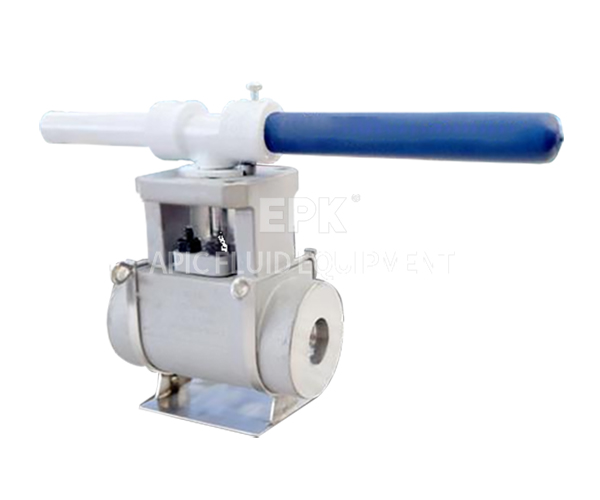
What Are the Best Ways to Save Money on American standard gate valves?
Industry Background and Market Demand
American Standard Gate valves are widely used in industrial and commercial applications due to their reliability in controlling fluid flow. These valves are essential in sectors such as oil and gas, water treatment, chemical processing, and power plants. The market demand is driven by the need for durable, high-pressure-resistant valves that ensure long-term performance with minimal maintenance.
However, procurement costs can be significant, especially for bulk purchases. Companies often seek cost-saving strategies without compromising quality. Understanding key factors—such as material selection, manufacturing processes, and supplier reliability—can help businesses optimize spending while maintaining operational efficiency.
Core Concepts and Key Technologies
Gate valves operate by lifting a gate (or wedge) out of the fluid path, allowing full flow when open and complete shutoff when closed. American standard gate valves adhere to specifications like API 600, ASME B16.34, and MSS-SP-70, ensuring compatibility with high-pressure systems.
Key technologies influencing cost and performance include:
- Rising vs. Non-Rising Stem Designs: Non-rising stems are more compact and suitable for underground installations, while rising stems provide visual confirmation of valve position.
- Wedge Types: Flexible wedges accommodate thermal expansion, reducing seat wear, while solid wedges are more economical for low-pressure applications.
- Sealing Mechanisms: Metal-to-metal seats are durable for high-temperature applications, while resilient seats (e.g., PTFE) offer better sealing in low-pressure systems.
Product Structure, Materials, and Manufacturing Processes
The cost of American standard gate valves is heavily influenced by material selection and manufacturing precision. Common materials include:
- Body and Bonnet: Cast carbon steel (WCB), stainless steel (CF8/CF8M), and ductile iron for cost-effective solutions.
- Trim Components: Stainless steel or alloy trim (e.g., Stellite) for corrosion resistance in harsh environments.
- Seats and Seals: Bronze, PTFE, or reinforced elastomers depending on fluid compatibility.
Manufacturing processes like investment casting and CNC machining ensure dimensional accuracy, while pressure testing (hydrostatic and pneumatic) guarantees leak-proof performance.
Key Factors Affecting Quality and Performance
To avoid premature failure and unnecessary replacements, consider:
1. Pressure and Temperature Ratings: Ensure the valve meets system requirements to prevent over-specification (which increases cost) or underperformance.
2. Corrosion Resistance: Material selection must match the fluid type (e.g., seawater, acids, or steam).
3. Actuation Method: Manual valves are cheaper, but automated actuators may reduce labor costs in large-scale operations.
4. Certifications: Valves with API, ASME, or ISO certifications often have longer lifespans, reducing lifecycle costs.
Supply Chain and Supplier Selection Criteria
Choosing the right supplier is critical for cost savings. Key considerations include:
- Manufacturer vs. Distributor: Direct purchases from manufacturers may offer bulk discounts, while distributors provide faster delivery.
- Lead Times and Inventory Policies: Suppliers with local stock reduce downtime and expedited shipping costs.
- After-Sales Support: Warranty coverage and spare parts availability minimize long-term maintenance expenses.
Common Challenges and Industry Pain Points
1. Counterfeit Products: Substandard valves may fail under pressure, leading to costly repairs. Always verify supplier credentials.
2. Over-Specification: Using high-grade materials for low-pressure applications inflates costs unnecessarily.
3. Maintenance Costs: Poorly designed valves require frequent servicing, increasing total ownership expenses.
Applications and Case Studies
- Oil & Gas: A refinery reduced valve replacement costs by 30% by switching to API 600-certified stainless steel gate valves, which resisted sour gas corrosion.
- Water Treatment: A municipal plant saved on procurement by using ductile iron valves with epoxy coating, balancing cost and durability.
- Chemical Processing: A manufacturer optimized spending by selecting PTFE-seated valves for corrosive fluids, avoiding expensive alloy alternatives.
Current Trends and Future Developments
1. Smart Valves: Integration with IoT for predictive maintenance reduces unexpected downtime.
2. 3D Printing: Prototyping and low-volume production lower R&D costs.
3. Sustainable Materials: Recyclable alloys and eco-friendly coatings align with environmental regulations.
FAQ
Q: How can I verify if a gate valve meets American Standard specifications?
A: Check for markings such as API 600, ASME B16.34, or MSS-SP-70 on the valve body and request mill test reports (MTRs) from the supplier.
Q: Are refurbished gate valves a cost-effective option?
A: Refurbished valves can be economical if they undergo proper testing and re-certification. However, critical applications may require new valves for guaranteed performance.
Q: What is the typical lifespan of an American standard gate valve?
A: With proper maintenance, a high-quality valve can last 20–30 years in moderate service conditions.
Conclusion
Saving money on American standard gate valves requires a strategic approach—balancing material selection, supplier reliability, and lifecycle costs. By understanding industry standards, performance requirements, and procurement best practices, businesses can achieve significant cost reductions without sacrificing quality. Future advancements in smart valve technology and sustainable manufacturing will further optimize long-term investments.
This website uses cookies to ensure you get the best experience on our website.

Comment
(0)