


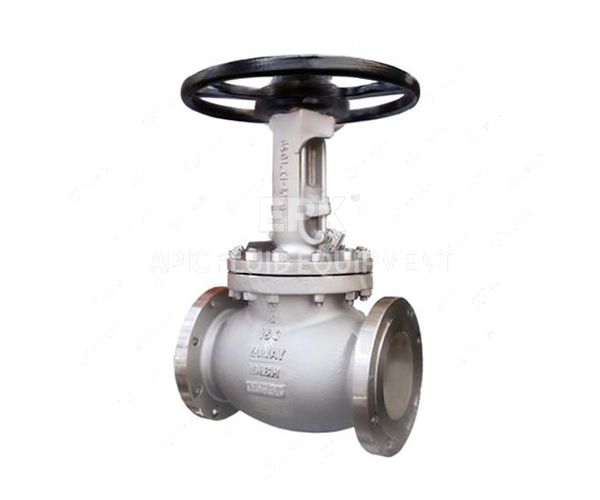
**Installation Guidelines for High Temperature and High Pressure Gate valves**
**1. Introduction**
High-temperature and high-pressure (HTHP) gate valves are critical components in industries such as oil and gas, petrochemical, power generation, and chemical processing. These valves are designed to withstand extreme conditions, ensuring safe and efficient fluid control. Proper installation is essential to prevent leaks, mechanical failures, and operational hazards. This guide provides detailed installation procedures, safety precautions, and best practices for HTHP gate valves.
---
**2. Pre-Installation Preparation**
Before installing an HTHP gate valve, ensure the following steps are completed:
**2.1. Inspection and Verification**
- **Check valve Specifications:** Confirm that the valve material, pressure rating (e.g., ANSI 900
, 1500
, 2500
), and temperature range match the system requirements.
- **Inspect for Damage:** Examine the valve body, stem, seat, and sealing surfaces for cracks, corrosion, or deformations.
- **Verify Flange Compatibility:** Ensure the valve flanges align with the piping flanges (e.g., ASME B16.5, B16.47).
**2.2. Storage and Handling**
- Store valves in a dry, clean environment to prevent contamination.
- Keep protective covers on flanges and stem ends until installation.
- Use lifting equipment (e.g., slings, cranes) to avoid mechanical damage.
**2.3. Safety Precautions**
- Wear appropriate PPE (gloves, goggles, heat-resistant clothing).
- Ensure the system is depressurized and cooled before installation.
- Follow lockout/tagout (LOTO) procedures if replacing an existing valve.
---
**3. Installation Steps**
**3.1. Positioning the Valve**
- **Orientation:** Install the valve in the correct flow direction (typically indicated by an arrow on the valve body).
- **Accessibility:** Ensure sufficient space for operation, maintenance, and emergency shutoff.
- **Support:** Use pipe hangers or supports to prevent excessive stress on the valve body.
**3.2. Flange Alignment and Gasket Selection**
- **Clean Flange Surfaces:** Remove dirt, rust, and old gasket material.
- **Select High-Temperature Gaskets:** Use spiral-wound (SS + Graphite), RTJ (Ring-Type Joint), or metal gaskets suitable for HTHP conditions.
- **Align Flanges Properly:** Misalignment can cause leaks or valve damage. Use alignment pins if necessary.
**3.3. Bolting and Torque Application**
- **Use High-Strength Bolts:** ASTM A193 B7 or B16 bolts are common for HTHP applications.
- **Follow Cross-Tightening Sequence:** Tighten bolts in a star pattern to ensure even pressure distribution.
- **Apply Correct Torque:** Refer to the manufacturer’s torque specifications. Over-tightening can deform flanges, while under-tightening may cause leaks.
**3.4. Welded Connections (If Applicable)**
- For butt-weld valves, ensure proper weld preparation (beveling, cleaning).
- Use qualified welders and approved welding procedures (e.g., ASME Section IX).
- Perform post-weld heat treatment (PWHT) if required to relieve stress.
**3.5. Stem and Actuator Installation**
- **Manual Operation:** Ensure the handwheel or lever operates smoothly without binding.
- **Actuator Mounting:** For automated valves, align the actuator correctly and verify signal connections (pneumatic, electric, or hydraulic).
- **Lubrication:** Apply high-temperature grease to the stem threads and packing.
---
**4. Post-Installation Checks**
**4.1. Leak Testing**
- **Hydrostatic Test:** Pressurize the system with water (1.5x working pressure) and check for leaks.
- **Pneumatic Test:** For gas systems, use inert gas (e.g., nitrogen) at lower pressures to detect leaks with soap solution.
- **Thermal Cycling:** Gradually heat the system to operating temperature and monitor for leaks.
**4.2. Operational Testing**
- **Full Stroke Test:** Open and close the valve several times to ensure smooth operation.
- **Seat Tightness:** Verify zero leakage using approved methods (e.g., API 598 for fugitive emissions testing).
**4.3. Documentation**
- Record installation details, torque values, test results, and any adjustments made.
- Keep maintenance logs for future reference.
---
**5. Common Installation Mistakes to Avoid**
- **Improper Gasket Selection:** Using low-temperature gaskets can lead to failure under HTHP conditions.
- **Incorrect Bolt Tightening:** Uneven torque can cause flange warping or gasket blowout.
- **Ignoring Thermal Expansion:** High temperatures cause pipe expansion; flexible supports may be needed.
- **Skipping Pre-Installation Inspection:** Damaged valves can fail catastrophically under pressure.
---
**6. Maintenance Recommendations**
- **Regular Inspection:** Check for stem leakage, corrosion, and actuator performance.
- **Lubrication Schedule:** Reapply high-temperature grease periodically.
- **Re-torquing Bolts:** Thermal cycles may loosen bolts; re-torque after initial operation.
---
**7. Conclusion**
Proper installation of high-temperature and high-pressure gate valves is crucial for system integrity and safety. Following these guidelines ensures optimal performance, minimizes downtime, and extends valve lifespan. Always adhere to manufacturer recommendations and industry standards (API, ASME, ISO) for best results.
By implementing these procedures, operators can mitigate risks and ensure reliable valve operation in demanding environments.
This website uses cookies to ensure you get the best experience on our website.

Comment
(0)