


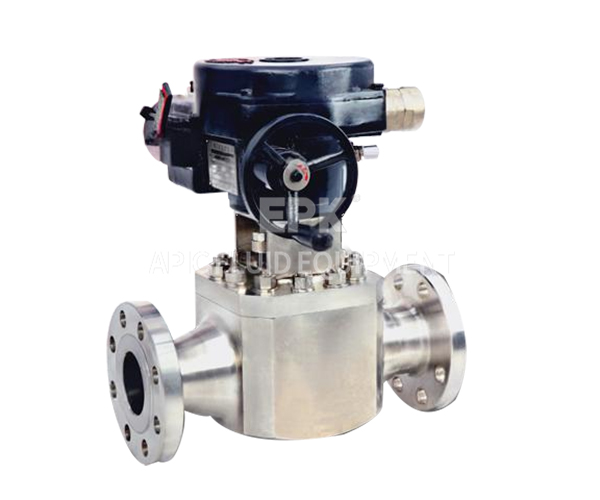
**The Best Manual gate valve Testing Methods**
Manual Gate valves are critical components in various industries, including oil and gas, water treatment, and manufacturing. These valves control the flow of fluids by raising or lowering a gate or wedge, and their proper functioning is essential for system efficiency and safety. To ensure reliability, manual gate valves must undergo rigorous testing. This article explores the best methods for testing manual gate valves, focusing on their design, application, and industry standards.
---
**1. Visual Inspection**
Visual inspection is the first and most fundamental method of testing manual gate valves. It involves a thorough examination of the valve's external and internal components to identify visible defects or irregularities.
- **External Inspection**: Check for signs of corrosion, cracks, or physical damage on the valve body, bonnet, and stem. Ensure that the valve is properly labeled and that all components are intact.
- **Internal Inspection**: Open the valve and inspect the gate, seat, and sealing surfaces for wear, pitting, or debris. Look for signs of leakage or improper alignment.
- **Documentation**: Verify that the valve meets the manufacturer's specifications and that all components are correctly assembled.
Visual inspection is a cost-effective and straightforward method but should be complemented by more advanced testing techniques.
---
**2. Pressure Testing**
Pressure testing is essential to verify the valve's ability to withstand operational pressures without leakage or failure. There are two primary types of pressure tests:
**Hydrostatic Testing**
Hydrostatic testing involves filling the valve with water or another liquid and applying pressure to check for leaks or structural integrity.
- **Procedure**: Close the valve and fill it with water. Gradually increase the pressure to 1.5 times the valve's rated working pressure and hold it for a specified duration (usually 5–10 minutes).
- **Observation**: Monitor for leaks, pressure drops, or visible deformation. Use a pressure gauge to ensure the valve maintains the required pressure.
- **Benefits**: Hydrostatic testing is widely used because water is non-compressible and provides accurate results.
**Pneumatic Testing**
Pneumatic testing uses compressed air or gas to test the valve's performance under pressure.
- **Procedure**: Close the valve and introduce compressed air or gas. Gradually increase the pressure to 1.1 times the rated working pressure.
- **Observation**: Use soapy water or a leak detection solution to identify leaks around the valve body, stem, and seals.
- **Limitations**: Pneumatic testing is less common for manual gate valves due to the risk of sudden pressure release, which can be hazardous.
---
**3. Seat Leakage Testing**
Seat leakage testing evaluates the sealing capability of the valve's gate and seat. This test ensures that the valve can effectively stop fluid flow when closed.
- **Procedure**: Close the valve and apply pressure to one side. Measure the amount of leakage past the seat using a calibrated flow meter or by collecting the leaked fluid.
- **Standards**: Follow industry standards such as API 598 or ISO 5208, which specify acceptable leakage rates for different valve classes.
- **Importance**: A tight seal is critical for preventing fluid loss and ensuring system efficiency.
---
**4. Functional Testing**
Functional testing assesses the valve's operational performance, including its ability to open and close smoothly and completely.
- **Procedure**: Operate the valve manually through its full range of motion. Check for smooth operation, proper alignment, and complete closure.
- **Observations**: Note any resistance, stiffness, or incomplete closure, which may indicate issues with the stem, gate, or internal components.
- **Maintenance**: Functional testing helps identify the need for lubrication, adjustment, or repair.
---
**5. Torque Testing**
Torque testing measures the force required to operate the valve, ensuring that it can be opened and closed without excessive effort.
- **Procedure**: Use a torque wrench to measure the force needed to turn the valve stem. Compare the results to the manufacturer's specifications.
- **Importance**: Excessive torque may indicate internal friction, misalignment, or damage, while insufficient torque may suggest loose components.
- **Applications**: Torque testing is particularly important for large or high-pressure valves.
---
**6. Shell Testing**
Shell testing evaluates the strength and integrity of the valve body under pressure.
- **Procedure**: Fill the valve with water and apply pressure to the body while keeping the valve in the open position. The pressure is typically 1.5 times the rated working pressure.
- **Observation**: Inspect the valve body for leaks, cracks, or deformation.
- **Purpose**: Shell testing ensures that the valve can withstand operational pressures without structural failure.
---
**7. Backseat Testing**
Backseat testing checks the sealing capability of the valve's backseat, which provides a secondary seal when the valve is fully open.
- **Procedure**: Open the valve fully and apply pressure to the backseat. Check for leaks around the stem and backseat area.
- **Importance**: A properly functioning backseat ensures that the valve can be repacked or maintained without shutting down the system.
---
**8. Endurance Testing**
Endurance testing evaluates the valve's performance over repeated cycles of operation.
- **Procedure**: Open and close the valve multiple times (e.g., 1,000 cycles) while monitoring for wear, leakage, or operational issues.
- **Purpose**: This test simulates long-term use and identifies potential fatigue or wear in the valve components.
---
**9. Fire Testing**
Fire testing is essential for valves used in hazardous environments, such as oil and gas facilities. It assesses the valve's ability to maintain functionality after exposure to fire.
- **Procedure**: Subject the valve to high temperatures (e.g., 1,000°C) for a specified duration, then test its sealing and operational performance.
- **Standards**: Follow industry standards such as API 607 or ISO 10497.
---
**10. Material Testing**
Material testing ensures that the valve's components are made from suitable materials for their intended application.
- **Procedure**: Perform hardness, tensile, and chemical composition tests on the valve body, gate, and stem.
- **Purpose**: Material testing verifies that the valve can withstand the operating conditions, including pressure, temperature, and corrosion.
---
**Conclusion**
Manual gate valve testing is a critical process to ensure reliability, safety, and performance in various applications. The best testing methods include visual inspection, pressure testing, seat leakage testing, functional testing, torque testing, shell testing, backseat testing, endurance testing, fire testing, and material testing. By adhering to industry standards and manufacturer specifications, these methods help identify potential issues, prevent failures, and extend the valve's service life. Regular testing and maintenance are essential to keep manual gate valves operating at their best.
This website uses cookies to ensure you get the best experience on our website.

Comment
(0)